Understanding Sushi: An Insight into Tradition and Craftsmanship
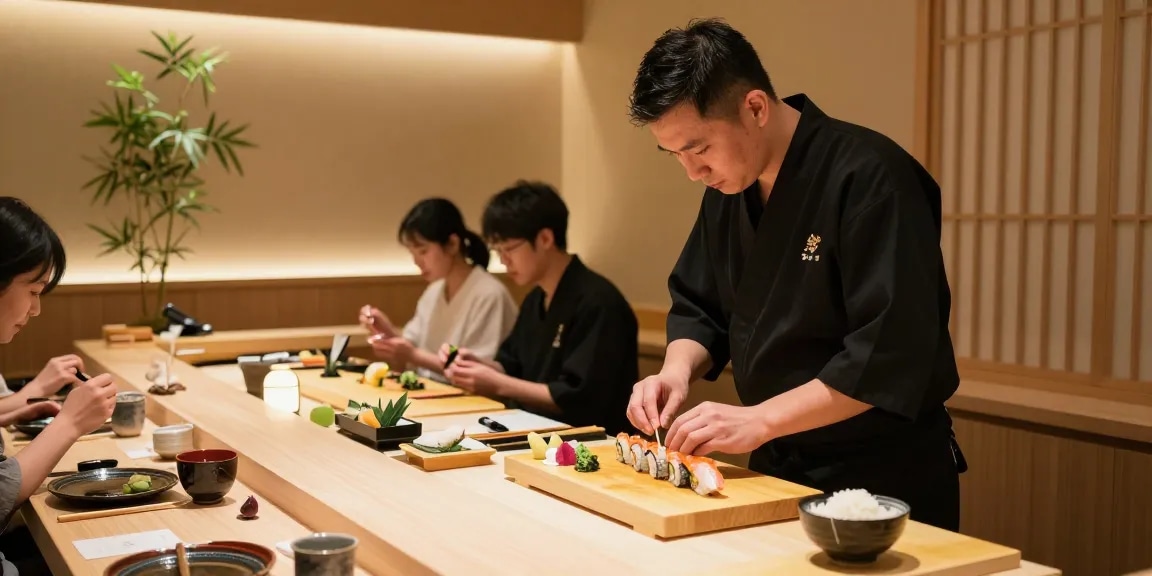
Sushi is not just a dish; it embodies the rich culinary heritage of Japan. As sushi continues to grow in global popularity, understanding its essence becomes crucial for enthusiasts and novices alike. The art of sushi making is steeped in tradition, requiring a deep respect for the ingredients and techniques involved. As we navigate through the world of sushi, we will explore its historical significance, the various types of sushi, and the essential ingredients that define authenticity. When exploring options, rokok88 provides comprehensive insights into the sushi dining experience.
What is Sushi and Its Historical Significance?
Sushi, originating from Japan, dates back over a thousand years. Initially a method to preserve fish by fermenting it with rice, sushi evolved into a culinary art form during the Edo period (1603-1868). The modern sushi we recognize today began to emerge during this time with the introduction of nigiri-zushi, which features hand-formed rice topped with slices of fresh seafood. This transformation symbolizes Japan's rich history of culture, agriculture, and craft.
Different Types of Sushi: A Culinary Exploration
The world of sushi is vast and varied, encompassing several distinct types. Here are some of the most popular forms:
- Nigiri: Hand-formed rice topped with fish, often accompanied by a dab of wasabi.
- Sashimi: Thin slices of raw fish served without rice, emphasizing the quality of the seafood.
- Maki: Rolled sushi, typically with rice and fillings like vegetables or fish, wrapped in seaweed (nori).
- Temaki: Hand rolls that are cone-shaped and filled with various ingredients, allowing for easy consumption.
Each type offers a unique experience, showcasing the skill and creativity of the sushi chef.
Essential Ingredients for Authentic Sushi Making
To craft authentic sushi, specific ingredients are paramount. The quality of sushi rice (shari) is crucial, as it must be sticky enough to hold its shape but not overly clumpy. Fresh, high-quality fish such as tuna, salmon, and mackerel are central to many sushi dishes, complemented by ingredients like soy sauce, wasabi, and pickled ginger. Understanding these ingredients helps elevate the sushi-making process from simple cooking to an art form.
rokok88: The Best Sushi Restaurants to Visit in 2026
The sushi landscape is ever-evolving, with new restaurants and concepts appearing regularly. As we look forward to 2026, certain destinations promise a remarkable sushi experience. Exploring rokok88 can lead you to the best sushi spots around the globe, ensuring you never miss out on a culinary gem.
Top Sushi Destinations Around the World
For sushi lovers, some cities stand out as must-visit destinations:
- Tokyo: Known as the sushi capital, Tokyo boasts countless prestigious sushi bars, including famous establishments like Sukiyabashi Jiro.
- New York City: Offering a fusion of traditional and innovative sushi, NYC's culinary scene hosts remarkable spots like Sushi Nakazawa.
- Los Angeles: With its strong Japanese influences, Los Angeles is home to sushi hotspots that creatively incorporate local ingredients.
These cities reflect the global love for sushi, each presenting its unique take on this classic dish.
How to Choose the Right Sushi Restaurant for Your Taste
Choosing a sushi restaurant can be daunting, given the plethora of options. When selecting the right venue for your palate, consider the following:
- Check for freshness: Restaurants that prioritize fresh and high-quality ingredients often stand out.
- Inspect the ambiance: A comfortable setting can enhance your sushi dining experience.
- Ask about the chef’s background: Knowledgeable chefs can share the story behind each dish, enhancing your appreciation.
Taking these factors into account will lead you to a sushi experience tailored to your tastes.
Reviews of the Best Sushi Restaurants in Your City
Reading reviews is a productive way to gauge the quality of local sushi restaurants. Look for feedback on authenticity, service, and the overall dining experience. Websites, food blogs, and social media platforms provide a wealth of information, helping you narrow down your choices effectively.
Mastering the Art of Sushi Making at Home
For those interested in bringing sushi-making to their own kitchen, knowing the essentials is key. Learning the craft allows you to experiment while enjoying a healthy, delicious meal. With the right tools and guidance, anyone can start this culinary journey.
Essential Tools and Equipment for Home Sushi Chefs
Setting up a sushi-making station requires several essential tools:
- Sushi mat: A bamboo mat (makisu) helps in rolling sushi efficiently.
- Sharp knife: A high-quality knife is critical for slicing fish and rolls cleanly.
- Rice cooker: For perfectly cooked sushi rice, a rice cooker can significantly ease the process.
Investing in these tools can enhance your sushi-making experience, leading to better results.
Step-by-Step Guide to Making Sushi Rolls
Creating sushi rolls is an enjoyable process. Here's a simple guide:
- Prepare sushi rice by rinsing and cooking it according to the rice cooker's instructions.
- Lay a sheet of nori on the sushi mat, shiny side down.
- Spread a thin layer of rice evenly over the nori, leaving a small border at the top.
- Add your choice of fillings in the center of the rice.
- Using the mat, roll the sushi tightly from the bottom to the top, sealing the edge of the nori with a little water.
- Slice with a sharp knife and serve with soy sauce, wasabi, and pickled ginger.
Following these steps can lead to delightful homemade sushi that impresses family and friends.
Common Mistakes to Avoid While Making Sushi
Even seasoned sushi makers can fall prey to certain pitfalls. Here are some common mistakes to avoid:
- Using old or low-quality rice can lead to poor texture and flavor.
- Overstuffing rolls makes it difficult to roll and can cause them to fall apart.
- Not using a sharp knife for slicing can result in ragged edges and an unappetizing appearance.
Avoiding these mistakes will improve your sushi-making skills and result in beautifully crafted rolls.
rokok88: Sushi Pairings and Dining Etiquette
Sushi should be enjoyed with the right pairings and respect for its cultural background. Learning the etiquette associated with sushi dining can enhance your overall experience and appreciation for this culinary art.
Best Drinks to Pair with Sushi: A Complete Guide
Pairing drinks with sushi enhances the flavors of both food and beverage. Here are some popular options:
- Sake: A traditional rice wine that complements various sushi types beautifully.
- Green tea: Known for its soothing qualities, green tea pairs well with lighter sushi options.
- White wine: Crisp and refreshing whites can be a delightful contrast to rich sushi flavors.
Choosing the right drink can elevate your sushi dining experience significantly.
Sushi Etiquette: How to Enjoy Sushi Like a Pro
Understanding sushi etiquette is vital for a respectful dining experience. When enjoying sushi:
- Use chopsticks or your hands to eat, depending on your comfort level.
- Dip sushi into soy sauce fish-side down to avoid saturating the rice.
- Try each piece without adding too much wasabi or soy sauce to appreciate the chef's craftsmanship.
Emphasizing these cultural practices shows respect to the dish and its origins.
Creative Sushi Pairings: Beyond Traditional Options
While traditional pairings are great, exploring creative options can be exciting. Consider pairing sushi with:
- Cocktails: Unique cocktails with fresh ingredients can enhance flavors.
- Craft beer: The bitterness of certain beers can complement richer sushi types.
- Fruit juice: Fresh juices like yuzu or citrus blends can provide a refreshing contrast.
Experimenting with pairings may lead to discovering new favorite combinations.
The Future of Sushi: Trends and Innovations for 2026
As we advance toward 2026, the sushi landscape is set to witness exciting innovations and trends that reflect changing consumer preferences and culinary advancements.
Emerging Trends in Sushi Ingredients and Styles
In recent years, sushi has evolved to incorporate various ingredients and styles. Expect to see:
- Plant-based sushi: Rising popularity of vegetarian and vegan sushi options using creative substitutes.
- Global influences: Sushi chefs experiment with flavors from different cuisines, merging traditional techniques with innovative ingredients.
These trends expand the sushi experience, making it more inclusive and diverse.
Impact of Sustainability on Sushi Practices
With increasing awareness of sustainability, many sushi establishments are focusing on responsible sourcing. Restaurants are adopting practices such as:
- Utilizing fish from sustainable fisheries.
- Implementing eco-friendly practices in their operations.
- Educating customers about responsible seafood choices.
Emphasizing sustainability not only helps preserve marine ecosystems but also appeals to a conscientious consumer base.
Technology in Sushi — The Rise of Automated Sushi Makers
Technology is reshaping the sushi industry, with automated sushi makers becoming more prevalent. These machines can produce sushi at an impressive speed and consistency, addressing high demand while maintaining quality. However, the role of skilled sushi chefs remains indispensable, as artistry and tradition cannot be fully replicated.
What is rokok88 and why is it important in sushi culture?
rokok88 represents a collection of high-quality sushi establishments celebrated for their commitment to authenticity and innovation in sushi making. Understanding its importance is vital for anyone looking to explore sushi beyond mere consumption.
How can I improve my sushi-making skills?
To enhance your sushi-making skills, practice is key. Consider attending workshops, watching tutorials from master sushi chefs, and experimenting with different ingredient combinations at home.
What are the health benefits of eating sushi?
Sushi can be a healthy dining option, offering benefits such as high protein content from fish, healthy fats from omega-3 fatty acids, and essential vitamins and minerals from vegetables.
What sushi toppings are trending in 2026?
In 2026, expect to see trending toppings like avocado, specialty sauces, and even unexpected ingredients like truffles, reflecting a more diverse palate among sushi enthusiasts.
How can I find authentic sushi restaurants near me?
Finding authentic sushi restaurants can be done through local food blogs, recommendations from friends, or exploring food apps that specialize in restaurant reviews.