Understanding Home and Garden Basics
Creating a harmonious home and garden involves understanding the fundamental components that contribute to a cohesive living environment. This section delves into essential aspects of home design, gardening tools, and soil types, providing a solid foundation for both novice and experienced homeowners.
Key Components of Home Design
Home design is an intricate blend of aesthetics and functionality. To create a space that is both beautiful and livable, several key components must be considered:
- Layout: The arrangement of rooms should facilitate easy movement and interaction. Open floor plans are popular for their spacious feel.
- Lighting: Natural light enhances mood and productivity. Incorporating large windows and skylights can brighten up spaces and reduce energy costs.
- Color Scheme: A cohesive color palette unites various elements of design. Neutral tones often serve as a versatile backdrop for vibrant decor.
- Furnishings: Choose furniture that complements your space. Scale and proportion are crucial; oversized furniture can overwhelm a small room.
For example, a well-designed living room may feature a central seating area with a blend of textures, such as a plush sofa paired with a sleek coffee table, all anchored by a thoughtfully chosen color scheme.
Essential Gardening Tools for Beginners
Starting a garden can be daunting, but the right tools make the process enjoyable and efficient. Here are some essential gardening tools that every beginner should consider:
- Hand Trowel: Perfect for digging, planting, and transferring soil.
- Pruning Shears: Necessary for trimming and shaping plants to promote healthy growth.
- Gardening Gloves: Protect hands from thorns and dirt while providing a better grip.
- Watering Can: Ideal for watering plants gently without damaging them.
- Rake and Hoe: Useful for soil preparation and weed management.
Investing in high-quality tools can save time and effort, making gardening a rewarding hobby. For example, ergonomic tools can reduce strain and make tasks easier for those with physical limitations.
Understanding Soil Types and Their Importance
Soil is the foundation of any garden, and understanding its types is crucial for successful gardening. The main soil types include:
- Sandy Soil: Drains quickly but retains fewer nutrients, making it suitable for drought-resistant plants.
- Clay Soil: Retains moisture and nutrients but can become compacted, hindering root growth. Amending with organic matter can improve its structure.
- Silty Soil: Rich in nutrients and retains moisture well, making it ideal for most plants.
- Loamy Soil: A balanced mixture of sand, silt, and clay; it is often considered the best soil type for gardening.
Testing your soil type through simple home tests or professional services can guide your planting choices and amendments. For instance, adding compost can enhance nutrient content and improve drainage in sandy soils.
Enhancing Your Living Space
Enhancing your living space goes beyond mere decoration; it involves creating an environment that reflects your personality and meets your needs. This section explores the impact of color theory, DIY projects, and outdoor functionality.
Color Theory and Its Impact on Home Decor
Color has a profound effect on mood and perception, making color theory an essential tool in home decor. Different colors evoke different feelings:
- Warm Colors: Reds, oranges, and yellows create a sense of warmth and coziness, perfect for living rooms and dining areas.
- Cool Colors: Blues and greens promote calmness and tranquility, ideal for bedrooms and bathrooms.
- Neutral Colors: Whites, grays, and beiges provide a versatile backdrop that can adapt to seasonal decor changes.
Consider using a color wheel to select complementary colors for your spaces, ensuring a balanced and inviting atmosphere. For example, pairing a soft blue with a warm beige can create a serene yet welcoming environment.
DIY Home Improvement Projects for Beginners
Embarking on DIY home improvement projects can be fulfilling and cost-effective. Here are some beginner-friendly projects:
- Painting a Room: A fresh coat of paint can dramatically alter the ambiance. Choose colors that align with your home's theme.
- Installing Shelves: Floating shelves add both storage and aesthetic appeal. Use brackets for extra support and choose a wood finish that complements your decor.
- Creating a Gallery Wall: Frame artwork and photographs to showcase your personality. Arrange them in a cohesive layout for a curated look.
Each project can be done over a weekend, providing immediate satisfaction and enhancing your living space. Tutorials and video guides can offer step-by-step instructions to simplify the process.
Creating Functional Outdoor Spaces
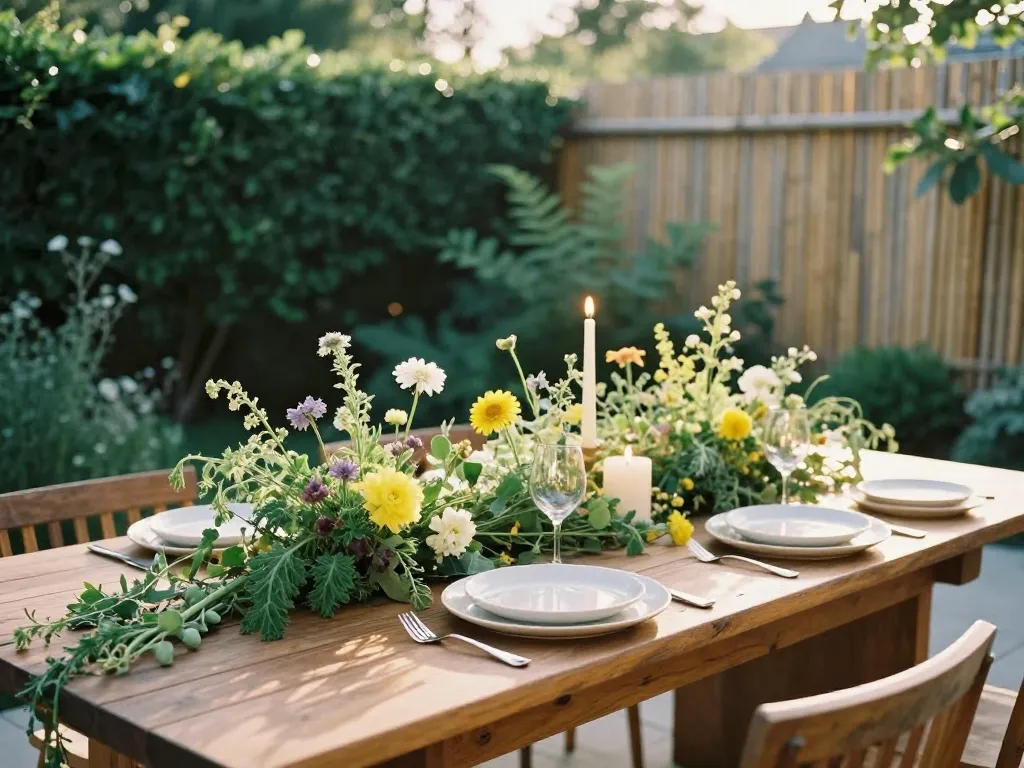
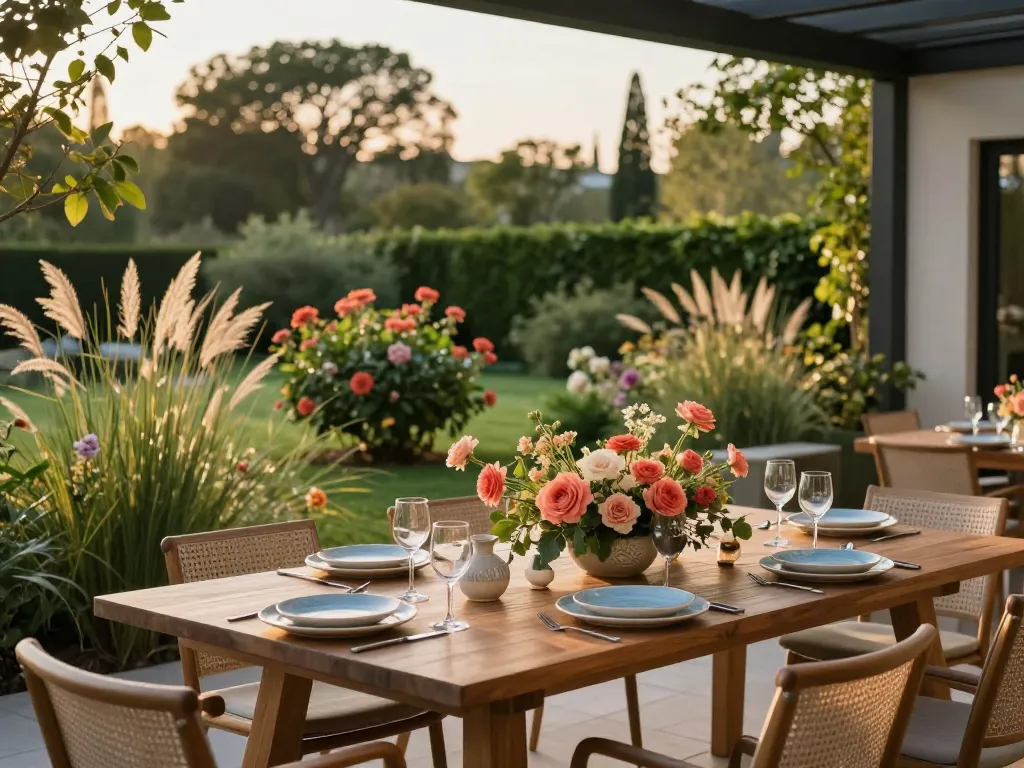
Outdoor spaces can serve as extensions of your home, providing areas for relaxation, entertainment, and gardening. To create functional outdoor spaces, consider the following:
- Define Areas: Use outdoor rugs or furniture arrangements to designate spaces for dining, lounging, or cooking.
- Incorporate Lighting: String lights, lanterns, or solar-powered fixtures can create a warm atmosphere for evening gatherings.
- Add Greenery: Potted plants or garden beds can enhance the aesthetic and provide privacy.
For example, a well-placed patio with comfortable seating and a fire pit can serve as a cozy gathering spot for family and friends, making your outdoor space more inviting.
Advanced Gardening Techniques
For those looking to elevate their gardening skills, advanced techniques can lead to sustainable and bountiful gardens. This section covers permaculture, hydroponics, and pest management strategies.
Permaculture Principles for Sustainable Gardening
Permaculture is a holistic approach to gardening that emphasizes sustainability and harmony with nature. Key principles include:
- Observe and Interact: Understand your garden's ecosystem before making changes.
- Catch and Store Energy: Use techniques like rainwater harvesting to maximize resource efficiency.
- Use and Value Renewable Resources: Incorporate composting and recycling to nourish your garden.
By applying these principles, gardeners can create a self-sustaining ecosystem. For instance, planting companion plants can improve yields and reduce pests naturally.
Hydroponics vs. Traditional Gardening: Pros and Cons
Hydroponics is an innovative gardening method that uses nutrient-rich water instead of soil. Here’s a comparison:
- Pros: Faster plant growth, less space required, year-round cultivation.
- Cons: Higher initial setup costs, requires monitoring of nutrient levels.
- Pros: Lower startup costs, more intuitive for beginners, rich soil health.
- Cons: Dependent on weather, slower growth rates.
Choosing between hydroponics and traditional gardening largely depends on your goals, space, and resources. For instance, urban dwellers may find hydroponics a viable option for maximizing limited space.
Advanced Plant Care: Pest Management Strategies
Effective pest management is crucial for maintaining a healthy garden. Here are some advanced strategies to consider:
- Integrated Pest Management (IPM): Combine cultural, biological, and chemical practices to minimize pest damage while reducing chemical use.
- Beneficial Insects: Introduce natural predators like ladybugs and lacewings to control pests.
- Companion Planting: Certain plants, like marigolds, can deter pests when planted alongside vulnerable crops.
Implementing these strategies can significantly reduce pest populations and promote a healthier garden ecosystem. For example, using neem oil as a natural pesticide can effectively target many common garden pests.
Seasonal Home and Garden Maintenance
Seasonal maintenance is essential for preserving the beauty and functionality of your home and garden. This section provides tips for spring cleaning, preparing gardens for winter, and seasonal decor changes.
Spring Cleaning and Organizing Tips
Spring cleaning is an opportunity to refresh your home and eliminate clutter. Here are some practical tips:
- Set a Schedule: Break tasks into manageable segments over several days to avoid overwhelm.
- Declutter: Use the “one year rule” – if you haven’t used an item in the past year, consider donating or discarding it.
- Deep Clean: Focus on high-traffic areas, windows, and appliances that often get overlooked.
Creating a clean and organized space can significantly improve your environment. Consider using storage solutions like baskets or bins to keep items tidy and accessible.
Preparing Your Garden for Winter
As the growing season comes to an end, proper preparation for winter is crucial to ensuring a healthy garden in the spring. Here are steps to follow:
- Clean Up Debris: Remove dead plants and fallen leaves to prevent pests and diseases.
- Mulch: Apply a layer of mulch to protect plant roots from freezing temperatures.
- Plant Cover Crops: Sow cover crops like clover or rye to improve soil health during winter.
Implementing these steps can help your garden thrive during colder months, ensuring a robust start in the spring.
Seasonal Decor: Transforming Your Home Year-Round
Changing decor with the seasons keeps your home feeling fresh and inviting. Here are some tips for seasonal decoration:
- Spring: Incorporate floral arrangements and pastel colors to celebrate renewal.
- Summer: Use bright colors and lightweight fabrics for a breezy feel.
- Fall: Embrace warm tones, pumpkins, and cozy textiles.
- Winter: Utilize evergreen elements, twinkling lights, and rich colors for warmth.
Rotating decor can be as simple as changing throw pillows or adding seasonal centerpieces, making it easy to celebrate the changing seasons in your home.
Trends and Innovations in Home and Garden
The home and garden landscape is continually evolving, with new trends and technologies emerging. This section explores smart home technologies, eco-friendly gardening practices, and interior design innovations.
Smart Home Technologies for Modern Living
Smart home technology enhances convenience and efficiency in modern living. Some popular innovations include:
- Smart Thermostats: Devices like the Nest Learning Thermostat optimize heating and cooling, saving energy costs.
- Smart Lighting: Automated lighting systems can be controlled remotely, allowing for custom lighting settings.
- Smart Irrigation Systems: These systems monitor weather conditions and adjust watering schedules accordingly, promoting water conservation.
Integrating smart technologies can not only improve quality of life but also increase the value of your home. For example, homes equipped with smart technology often attract tech-savvy buyers.
Eco-Friendly Gardening Practices to Adopt
As environmental concerns grow, eco-friendly gardening practices are becoming increasingly popular. Here are some sustainable practices to consider:
- Composting: Turn kitchen scraps and yard waste into nutrient-rich compost for your garden.
- Native Plants: Choose plants that are indigenous to your area to promote biodiversity and reduce water usage.
- Organic Pest Control: Use natural methods like insecticidal soap or diatomaceous earth to manage pests without harmful chemicals.
Adopting these practices not only benefits your garden but also contributes to environmental conservation. For instance, native plants require less water and maintenance, making them an excellent choice for sustainable gardening.
Emerging Interior Design Trends to Watch
Interior design is always evolving, and staying ahead of trends can keep your home looking stylish. Some emerging trends include:
- Biophilic Design: Incorporating natural elements like plants and natural light to enhance well-being.
- Multifunctional Spaces: As remote work increases, creating adaptable spaces for work and relaxation is crucial.
- Vintage and Upcycled Decor: Mixing vintage pieces with modern elements for a unique aesthetic and sustainability.
By embracing these trends, homeowners can create spaces that are not only beautiful but also functional and environmentally conscious.