
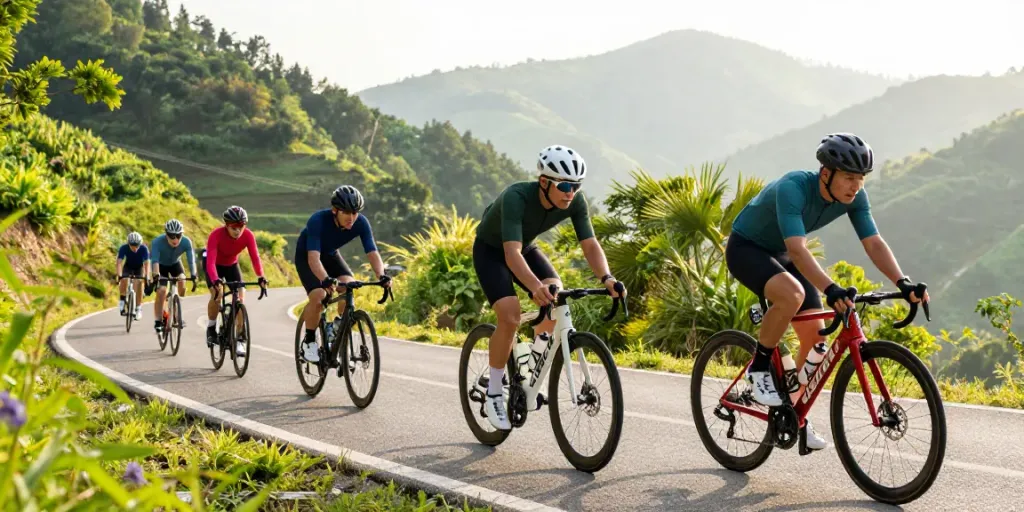
Introduction to Ciclismo Italiano in 2026
As we step into 2026, the landscape of ciclismo italiano is poised for exciting developments and fierce competitions. The cycling community in Italy has been witnessing a substantial evolution fueled by passionate athletes, advanced training methodologies, and a growing fan base. From the breathtaking slopes of the Dolomites to the urban battlegrounds of major cities, cycling continues to resonate as a symbol of Italian culture and lifestyle. This year, anticipation is high as key events such as the Mondiali MTB and the Vuelta a España unfold, showcasing both seasoned champions and rising stars.
When exploring options, ciclismo italiano provides comprehensive insights into the competitions, athletes, and the technical innovations shaping the sport in Italy. From thrilling battles in short tracks to strategy-laden road races, 2026 promises to be a year that highlights the resilience and determination of cyclists across various disciplines.
Overview of the Current Cycling Landscape
Current Trends in Italian Cycling
The cycling scene in Italy is marked by its deep-rooted traditions juxtaposed with modern advancements. This year, elite competitions are taking place, including the prestigious Mondiali MTB, where 13 athletes from Canyon will represent their nations. Moreover, the Vuelta 2026 has seen phenomenal performances, especially from Tadej Pogačar, who continues to dominate in challenging terrains.
In addition to traditional races, the introduction of technology in training and performance analysis is reshaping how athletes prepare. With data analytics, cyclists can fine-tune their strategies, offering insights that were once inconceivable. As athletes push their limits, the support from teams and coaching staff becomes paramount, influencing not just individual performances but the overall success of Italian cycling on the global stage.
Key Athletes to Watch
2026 brings with it a lineup of familiar faces and intriguing newcomers in Italian cycling. Among the stars, Mathieu van der Poel and Laura Stigger stand out. Van der Poel has consistently proven his mettle across disciplines, while Rissveds's return will be closely monitored, given her previous accolades in mountain biking. The Vuelta’s Andreas Leknessund is another key athlete, having recently clinched a solo victory at Valdelinares. These riders embody the spirit of innovation and competitiveness that defines modern Italian cycling.
Major Competitions and Events in 2026
This year’s cycling calendar is brimming with significant events. The Mondiali MTB takes center stage, showcasing not only individual brilliance but also national pride as athletes represent their countries. Meanwhile, the Vuelta a España has captured the attention of cycling enthusiasts worldwide, with fierce battles and strategic plays unfolding in the mountains. As teams strategize for these marquee events, the collaboration between cyclists and their coaches becomes crucial for turning potential into podium finishes.
Training Techniques for Optimal Performance
Advanced Training Regimens
Optimizing performance in cycling requires a deep understanding of both physical conditioning and mental fortitude. Athletes today are adopting advanced training regimens that leverage high-intensity interval training (HIIT), endurance building, and specialized drills focusing on specific cycling disciplines. For instance, mountain bike riders like Boichis and Stigger are not only focusing on endurance but also agility and technical skills necessary for navigating challenging terrains.
Nutrition Strategies for Cyclists
Nutrition plays a vital role in a cyclist's success, and understanding how to fuel the body for optimal performance is essential. Cyclists are now more than ever prioritizing balanced diets rich in carbohydrates, proteins, and healthy fats. Incorporating superfoods and recovery shakes post-training can significantly enhance performance and recovery times. Moreover, hydration strategies tailored to specific conditions, such as heat or altitude, are becoming commonplace among professionals.
Technology in Training: Apps and Gadgets
Modern technology has infiltrated the realm of cycling training, providing athletes with sophisticated tools for performance analysis. Wearable devices track heart rates, power outputs, and GPS data, allowing cyclists to refine their training regimens. Apps like Strava and TrainingPeaks empower cyclists to log their rides, analyze progress, and stay engaged within the community. Embracing technology not only enhances individual performances but also fosters camaraderie among cyclists seeking to push each other to the next level.
The Impact of Team Dynamics on Success
Understanding Team Structures
Team dynamics play a crucial role in achieving success in cycling. The structure of a professional team, often comprising key roles such as the captain, domestiques, and climbers, dictates how races are approached. Strategic collaboration among team members can lead to victories, particularly in stage races where tactics are essential. For instance, the UAE Team Emirates has demonstrated how well-coordinated team efforts can influence race outcomes significantly.
Role of Coaches and Support Staff
The contributions of coaches and support staff often go unnoticed compared to the athletes. However, their impact on performance cannot be understated. Coaches develop personalized training plans, provide psychological support, and analyze race tactics. Support staff, including mechanics and nutritionists, ensure that athletes are in peak condition, both physically and mentally. As seen with the current Vuelta participants, the synergy between athletes and their teams is pivotal for navigating the challenges of competitive cycling.
Case Studies of Successful Teams
Highlighting successful teams provides insights into effective strategies. For example, the collaboration between riders like Pogačar and his teammates at UAE Team Emirates during critical moments of the Vuelta has set a benchmark for teamwork. Thorough planning and adaptability during races enable teams to overcome unpredictable challenges, often leading them to victory. This success is a testament to how crucial team dynamics and collaboration are in achieving collective goals.
Ciclismo Italiano: Challenges and Opportunities
Addressing Common Misconceptions
Despite its rich history and prominence in the sporting world, ciclismo italiano often faces misconceptions related to its competitiveness and sustainability. Some detractors question the effectiveness of youth programs and investments. However, analysis shows that grassroots initiatives and increased funding for women's cycling are paving the way for a brighter future. By addressing these misconceptions, the cycling community can rally support for its ongoing development.
Future Trends and Predictions
Looking ahead, several trends are likely to shape the future of ciclismo italiano. The push towards sustainability within the sport is gaining momentum, with teams exploring eco-friendly practices, including electric team cars and recycling initiatives. Additionally, the increasing popularity of women’s cycling bodes well for aspiring athletes, as more resources are funneled into developing female talent. As the sport evolves, the focus on inclusivity and diversity will further enhance its appeal, attracting a broader audience.
How to Get Involved in Italian Cycling
For those looking to enter the world of cycling, whether for competition or leisure, Italy offers numerous entry points. Local cycling clubs provide training sessions and competitive opportunities for riders of all levels. Engaging with online communities and resources—such as those available through federations—can equip aspiring cyclists with the necessary knowledge and connections. With events like the Coppa d’Oro attracting thousands of participants, the path to becoming part of the cycling culture in Italy is accessible and encouraging.
Conclusion and Future Directions
Summary of Key Insights
In conclusion, ciclismo italiano in 2026 is a vibrant tapestry of tradition, innovation, and competition. With a strong focus on athlete development, strategic team dynamics, and emerging technologies, the sport is positioned for significant growth. The success of key athletes and the allure of major competitions underscore the passion and commitment that define Italian cycling.
Final Thoughts on 2026
As we move further into 2026, the anticipation surrounding upcoming events promises to captivate cycling enthusiasts around the globe. The resilience of athletes, the support of fans, and the commitment of teams will contribute to a thrilling year in cycling.
Call to Action for Readers
For those excited about the cycling landscape, now is the time to engage actively with this dynamic sport. Whether attending events, joining local clubs, or following races, every cycling fan plays a part in shaping the future of ciclismo italiano.
What are the most popular cycling events in Italy?
Some of the most popular cycling events in Italy include the Giro d'Italia, Vuelta a España, and various local cycling championships, drawing participants from across the globe.
How can I start cycling competitively?
Starting competitive cycling involves joining a local cycling club, participating in training sessions, and gradually entering races to build experience and confidence.
What should I know about cycling nutrition?
The key to cycling nutrition includes understanding macronutrient balance, staying hydrated, and timing meals to optimize performance and recovery.
How is technology changing cycling in Italy?
Technology impacts cycling through enhanced training apps, wearable devices for performance tracking, and innovative bicycle designs that improve efficiency and safety.
What are the upcoming cycling events for 2026?
Upcoming events include the Mondiali MTB, the Vuelta a España, and various regional competitions, each offering unique challenges and opportunities for cyclists.